
UNDP Associate Administrator joins Russian-led discussion on the Post-2030 Agenda at the High-Level Political Forum on Sustainable Development in New York
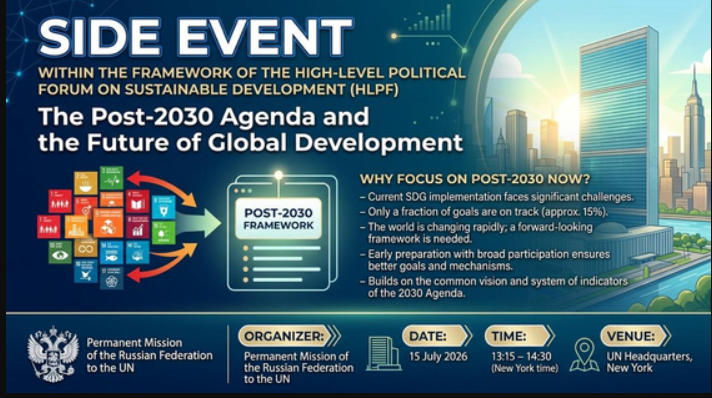
On 15 July 2026, on the margins of the High-Level Political Forum on Sustainable Development in New York, the Permanent Mission of the Russian Federation hosted a side event titled “The Post-2030 Agenda and the Future of Global Development.” The meeting marked the beginning of a broad international conversation on what should come after the current Sustainable Development Goals (SDGs) framework expires in 2030.
Opening the discussion, Russian officials stressed that while the 2030 Agenda remains a vital common framework, its implementation is clearly off track. Only about 15% of the SDGs are on track, and new global challenges, from digital transformation to geopolitical fragmentation, were not foreseen in 2015. Russia emphasized that work on the post-2030 framework cannot wait until the SDG summit in 2027 and that broad-based expert discussions should start now to ensure a realistic and implementable agenda.
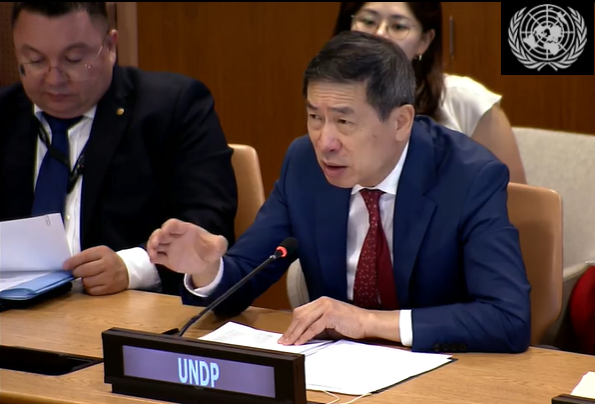
UNDP Associate Administrator Mr. Haoliang Xu participated in the event and welcomed Russia's initiative to kick-start this dialogue. In his remarks, he expressed appreciation for Russia's long-standing partnership with UNDP, particularly through the Russia-UNDP Trust Fund for Development, which has supported 54 projects in 33 countries, directly benefiting 5 million people and reaching almost 40 million indirectly. He thanked the Russian Federation for its continued commitment to development cooperation, especially in the context of the Trust Fund's work on the ground.
Reflecting on the future agenda, Haoliang Xu noted that the assumptions behind the 2030 Agenda, such as ever-expanding globalization and trade, have fundamentally changed. He called for a thorough stocktake of what has worked and what has not and emphasized the need for new development pathways that align financing, governance, and national capabilities. He stressed that domestic resources now drive the bulk of development financing, and that future frameworks must adapt to this new reality. He also underscored the importance of ensuring that digital solutions and AI help close, rather than widen, development gaps.
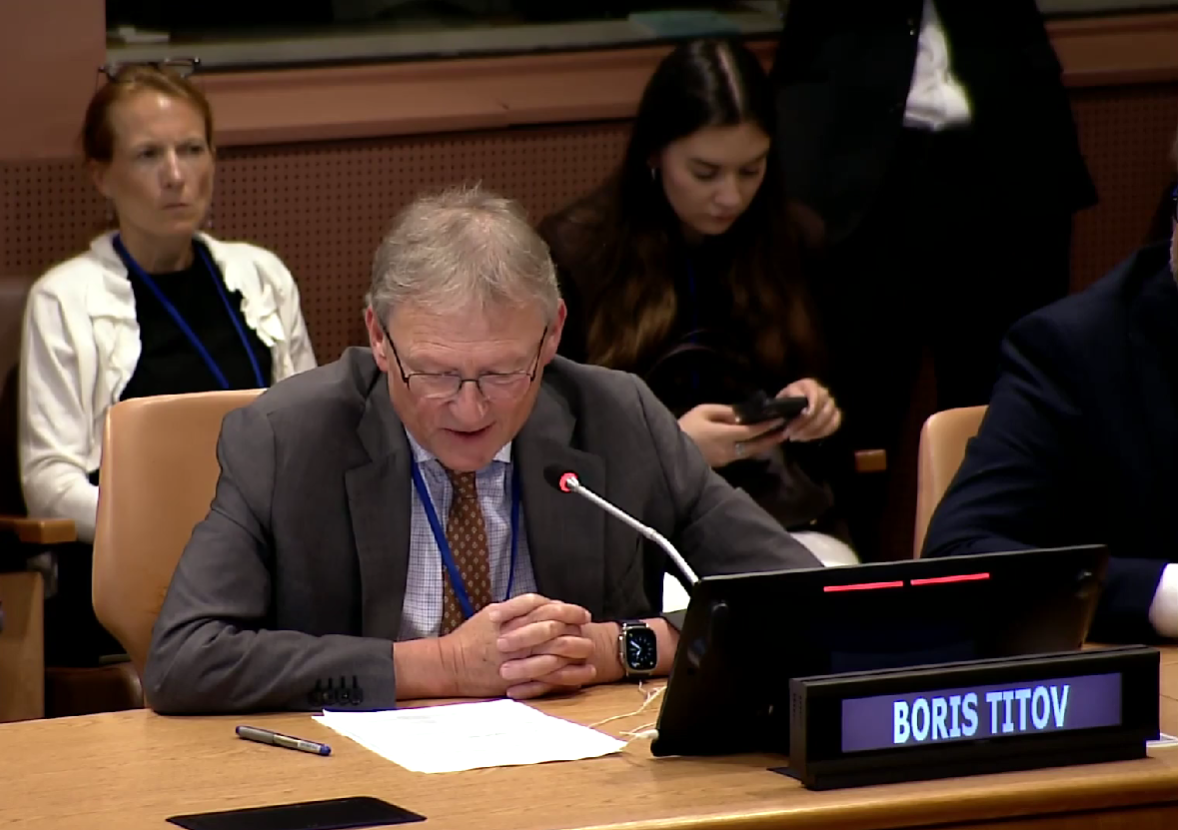
The event, which featured interventions from Belarus, China, Ethiopia, India, Indonesia, Iran, Kazakhstan, Singapore, Qatar, and civil society, as well as a video message from Professor Jeffrey Sachs from Columbia University and President of the UN Sustainable Development Solutions Network, is part of a broader Russian-led effort to build consensus on a more pragmatic, flexible, and implementable development framework beyond 2030, with further expert consultations planned under the Astana Group initiative.
Full recording of the side event is available here.