
Belarus' “Green Tourism” project wraps up with lasting results
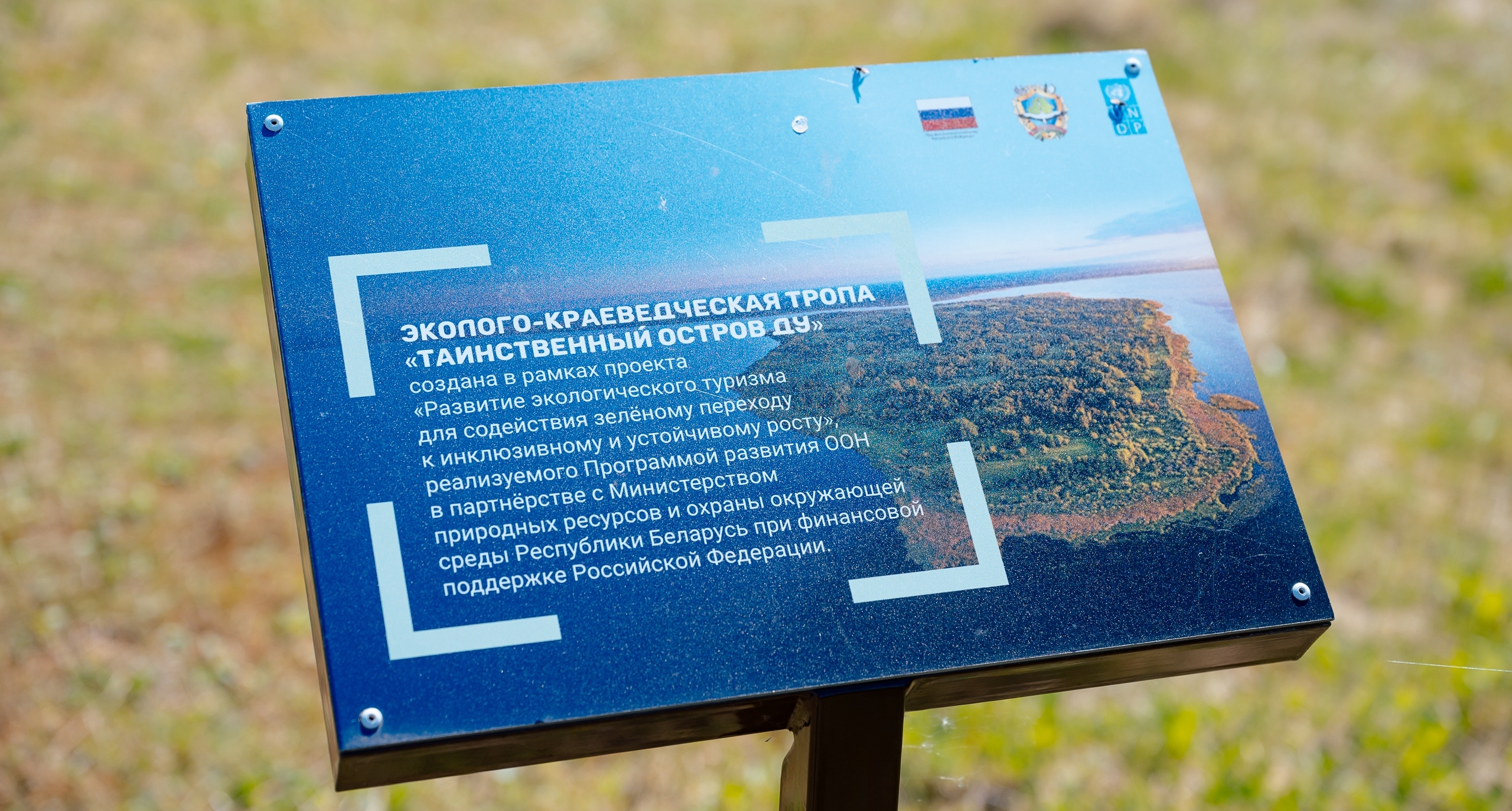
In June, the Trust Fund project "Green Transition to Inclusive and Sustainable Growth through Ecotourism Development in the Republic of Belarus" officially came to a close. The initiative was implemented by UNDP in partnership with Belarus' Ministry of Natural Resources and Environmental Protection, with financial support from the Russian Federation.
A key outcome of the project was the development of four pilot nature reserves: Ozery, Naliboksky, Osveisky, and Krasny Bor. Each received a tailored development strategy and saw the creation of ecotourism clusters.
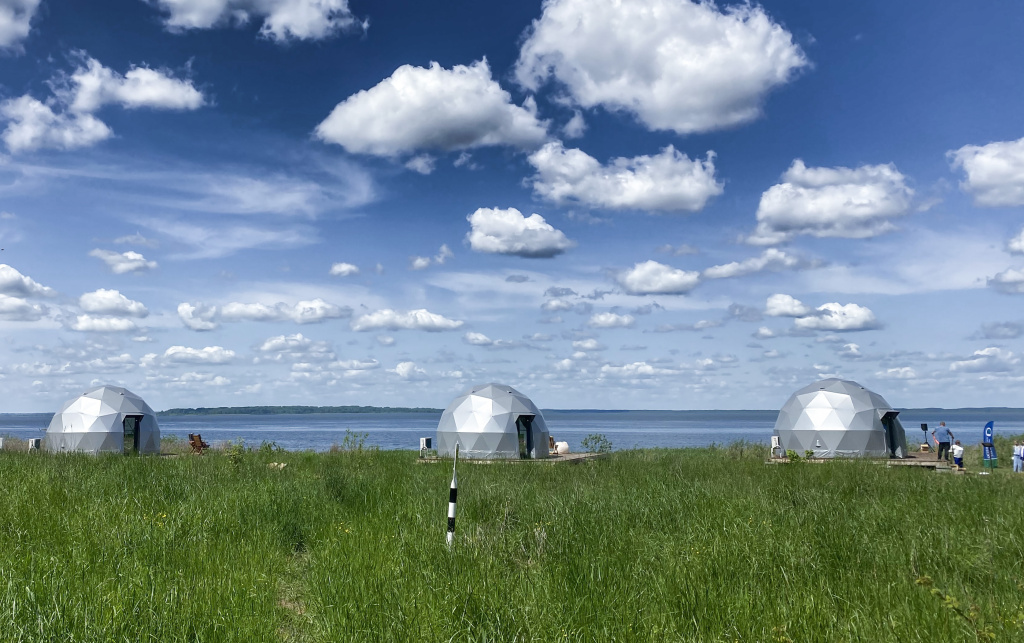
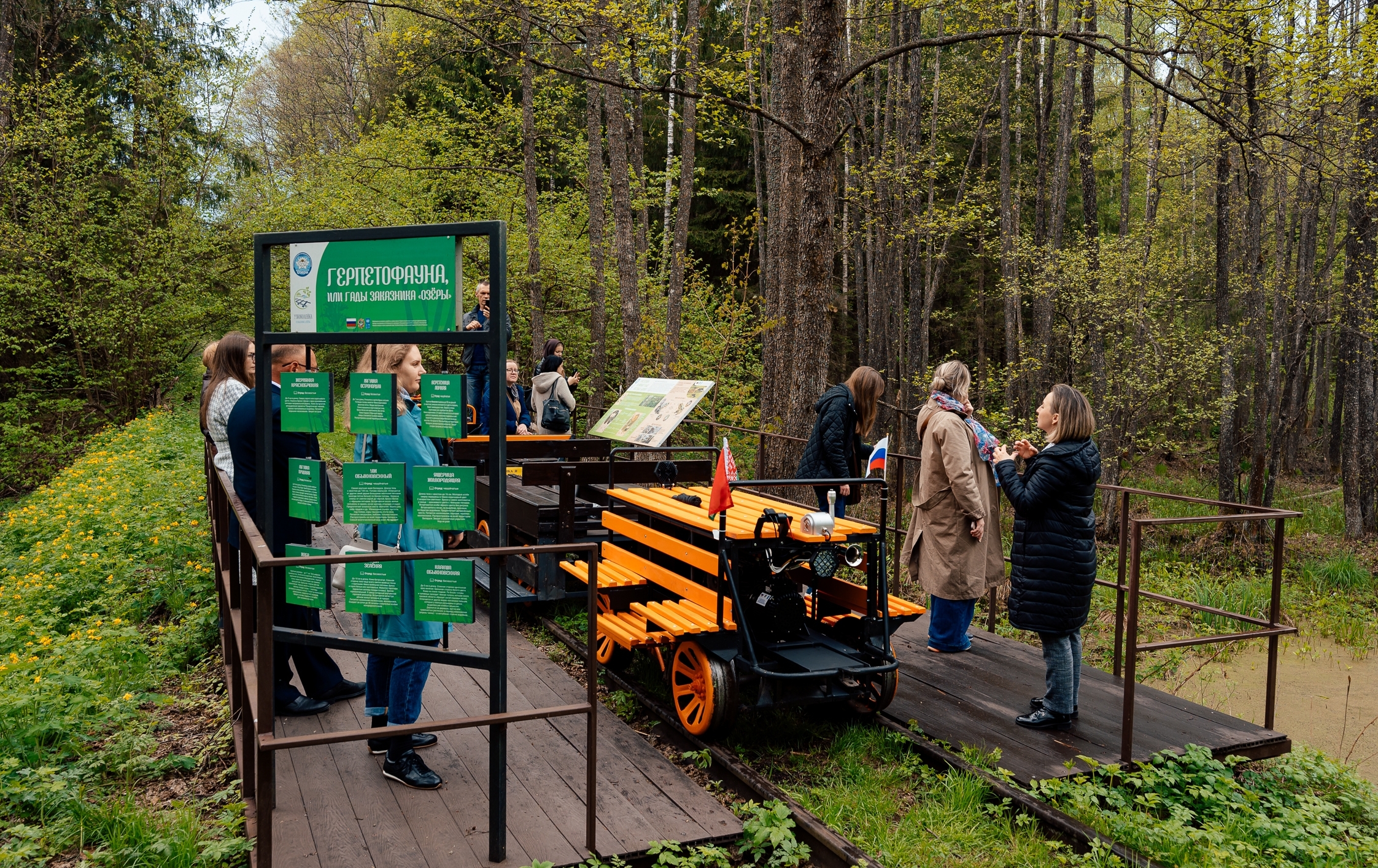
New equipment purchased under the project, including modern tents for glamping, boats, and bicycles, enabled the reserves to significantly expand their range of visitor services. New and upgraded routes have been introduced, including a narrow-gauge railway journey in Ozery, the "Syabrynsky Perekhrestok" eco-trail in Naliboksky, and the "Expedition to Du Island" route, along with a year-round glamping site in Osveisky.
Due to an extensive media campaign, visitor numbers in some reserves surged nearly 20‑fold. At Osveisky, for instance, annual visitors grew from 153 in 2021 to 3,360 in 2025, and the number of guided tours is expected to increase almost 10-fold in 2026 from 49 in 2021 to 450. Revenues from ecotourism activities have risen more than 7-fold, with part of these funds being channeled back into infrastructure development and conservation efforts.
To make trip planning easier, the itourist.by portal has been revamped. It now features an interactive map covering 30 nature reserves across Belarus.
Another major achievement was the introduction of a voluntary environmental certification system for ecotourism products. Visitors can now choose nature-based experiences with confidence, knowing that certified sites and services meet high environmental standards. To further strengthen service quality, over 860 professionals from the tourism and conservation sectors received specialized training.
The project also placed a strong emphasis on environmental education. Schoolchildren can now take part in youth ecology clubs and explore modern learning spaces equipped with VR technology, where they engage with interactive content on safety and responsible interaction with nature.
For a more detailed overview of the project's results, please see the full publication.